EmpowerMed supports people affected by energy poverty through collective advisory assemblies in Barcelona. Its peer-learning model turns affected residents into experts of their own situation, building trust, confidence and practical action.
Location:
Barcelona,
Spain
Start date:
01/09/2014
Lead organisation:
Engineering Without Borders
Target groups:
Elderly, Low-income households, Migrants, Women
Energy transition focus:
Energy literacy
Scale:
Metropolitan area
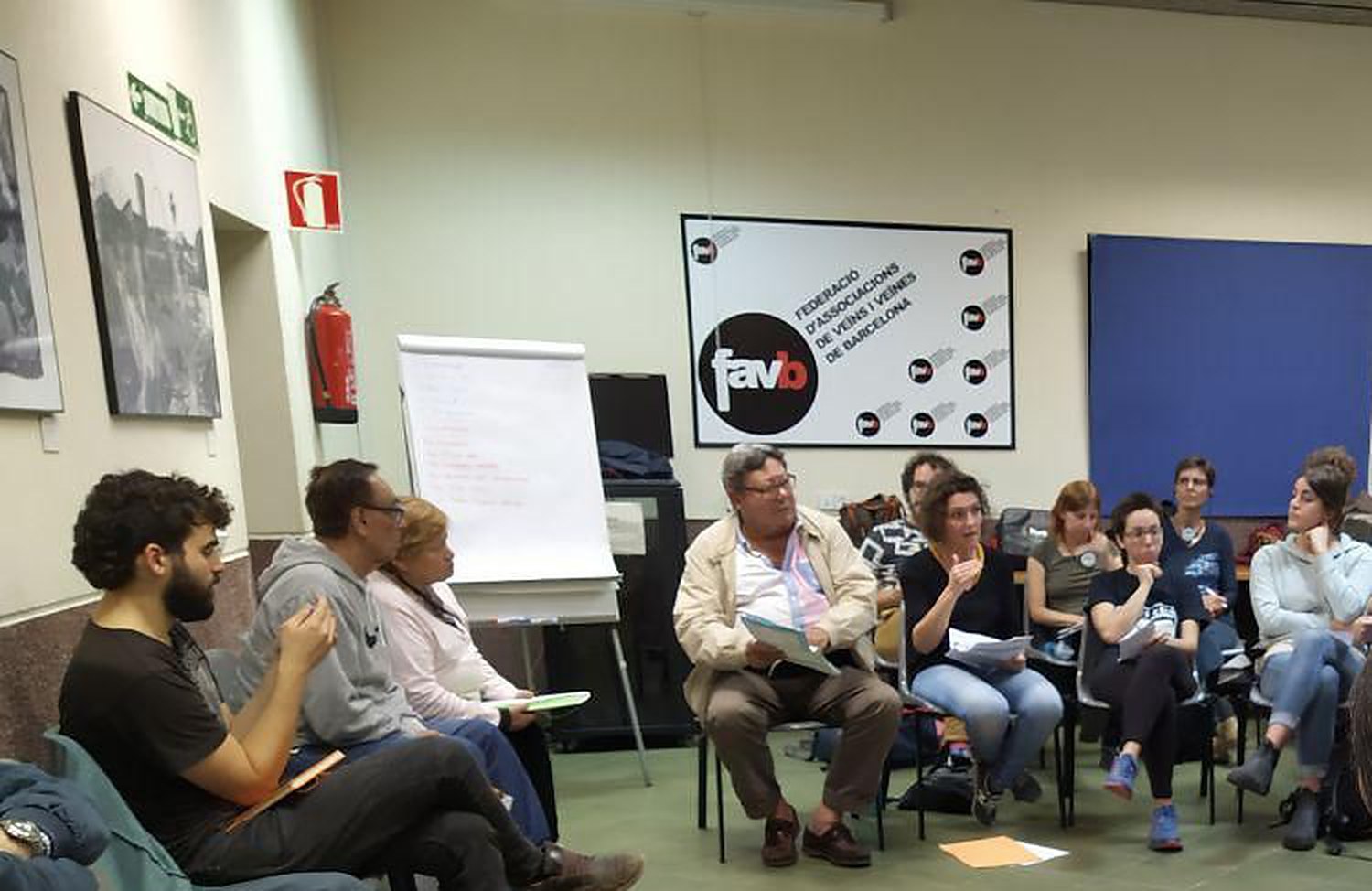
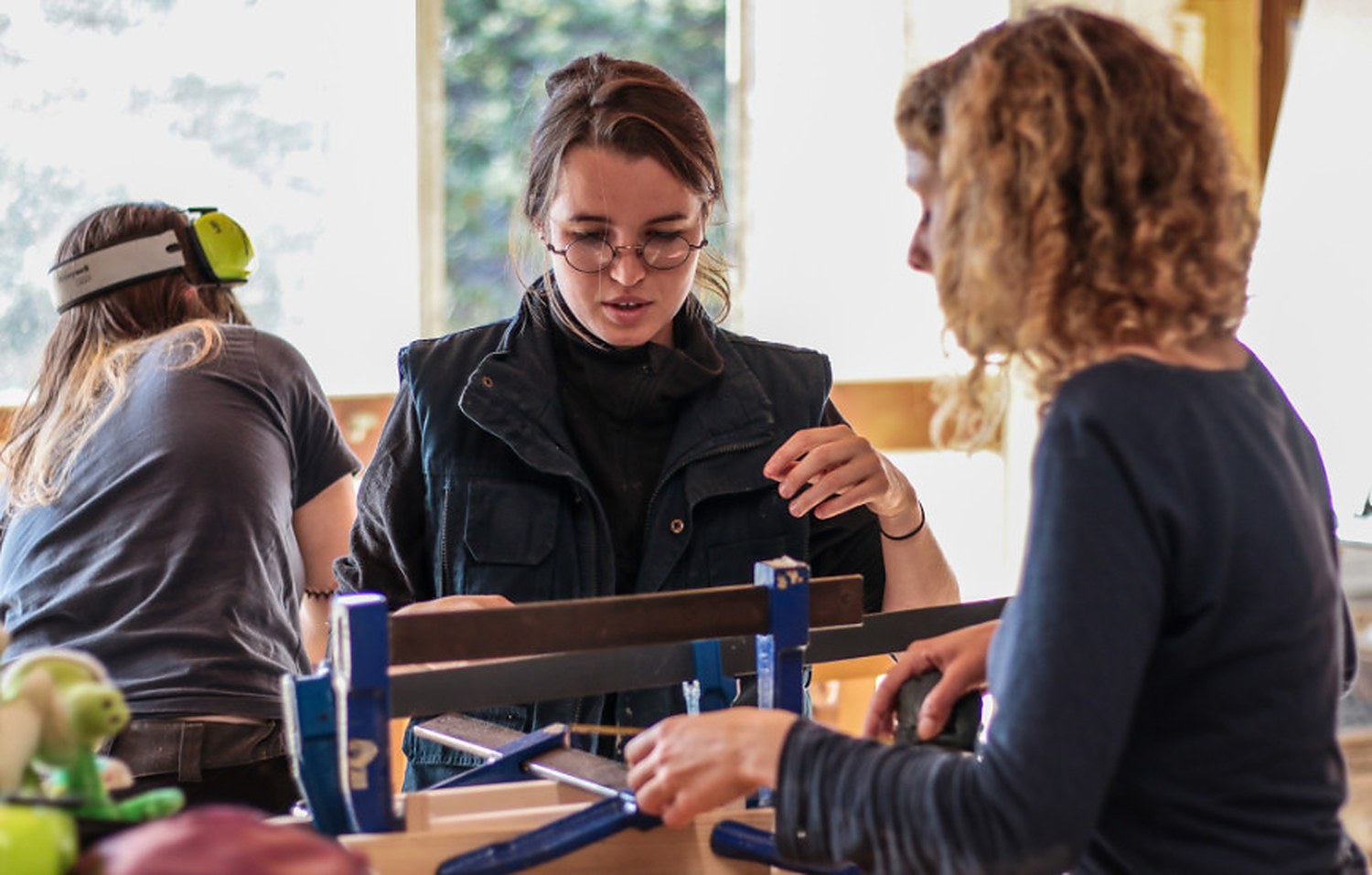
EmpowerMed supports people who struggle to pay their bills, face debt, or live in unhealthy homes, aiming to alleviate energy poverty in the metropolitan area of Barcelona. It does this through Collective Advisory Assemblies, where affected people meet regularly in safe, informal spaces. Participants share experiences, support each other, and find practical solutions together. Rather than receiving top-down advice, they are recognised as experts of their own situation. The initiative removes barriers by being free, open to all, and accessible in different languages and formats. Its community-led approach builds trust, strengthens knowledge, and enables people to take action on their energy situation.
EmpowerMed directly supports vulnerable groups who are often excluded from traditional energy services, such as women, migrants, and low-income households. It tackles key barriers like lack of trust, complex bureaucracy, and limited access to information. By creating inclusive and welcoming spaces, the initiative ensures that people can participate without formal requirements or stigma. Vulnerable groups are not just beneficiaries; they co-design and lead the assemblies. This participatory model strengthens dignity and confidence. It also promotes gender equality, as women are highly represented and active. Through peer support and collective learning, the initiative delivers both social and energy-related benefits.
EmpowerMed Collective Advisory Assemblies operates with a low-cost, community-based model. Its main costs are staff and small communication expenses, with no venue costs thanks to in-kind contributions. Annual expenditures are covered by public grants and the organisation’s own funds. The initiative generates no direct revenue and is free for participants. It relies heavily on non-monetary contributions, including volunteer time, community spaces, and peer support. This keeps costs low and ensures accessibility. Financial sustainability depends on continued social support and project-based funding.
Contact person:
Mònica Guiteras
E-mail:
monica.guiteras@esf-cat.org
Website:
Whether you are searching for a document, a project update, a webinar recording or more information about FETA, we can help point you in the right direction.