Just Energy Transition in Crete

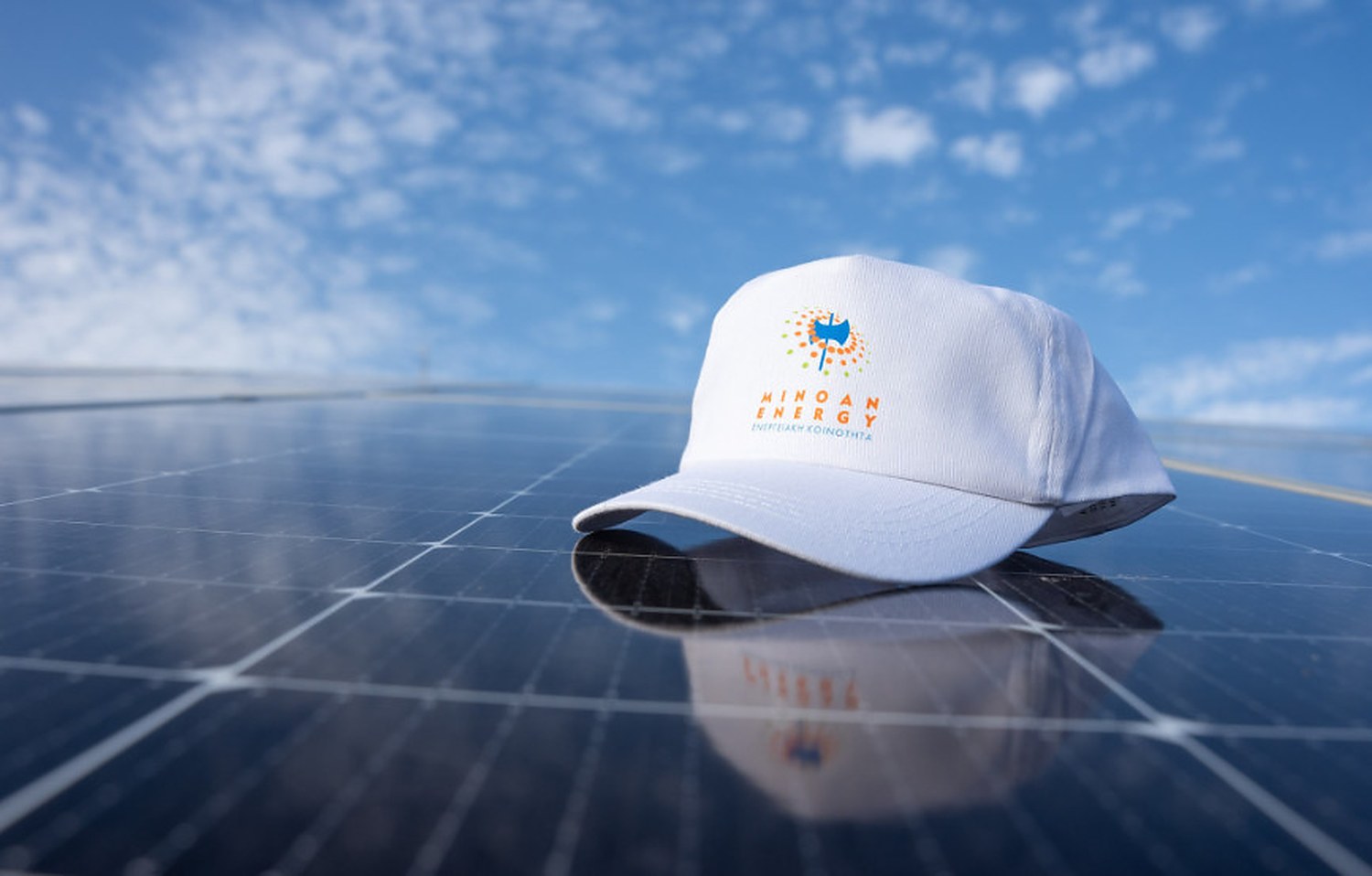
Just Energy Transition in Crete is a citizen-led energy community that keeps the benefits of renewables local. It develops collective solar and clean-energy projects to lower costs, support vulnerable households and strengthen democratic control of the transition.

Location:

Crete,

Greece

Start date:

01/10/2019

Lead organisation:

Minoan Energy Community

Target groups:

Low-income households

Energy transition focus:

Renewable energy communities

Scale:

Regional (island-wide)
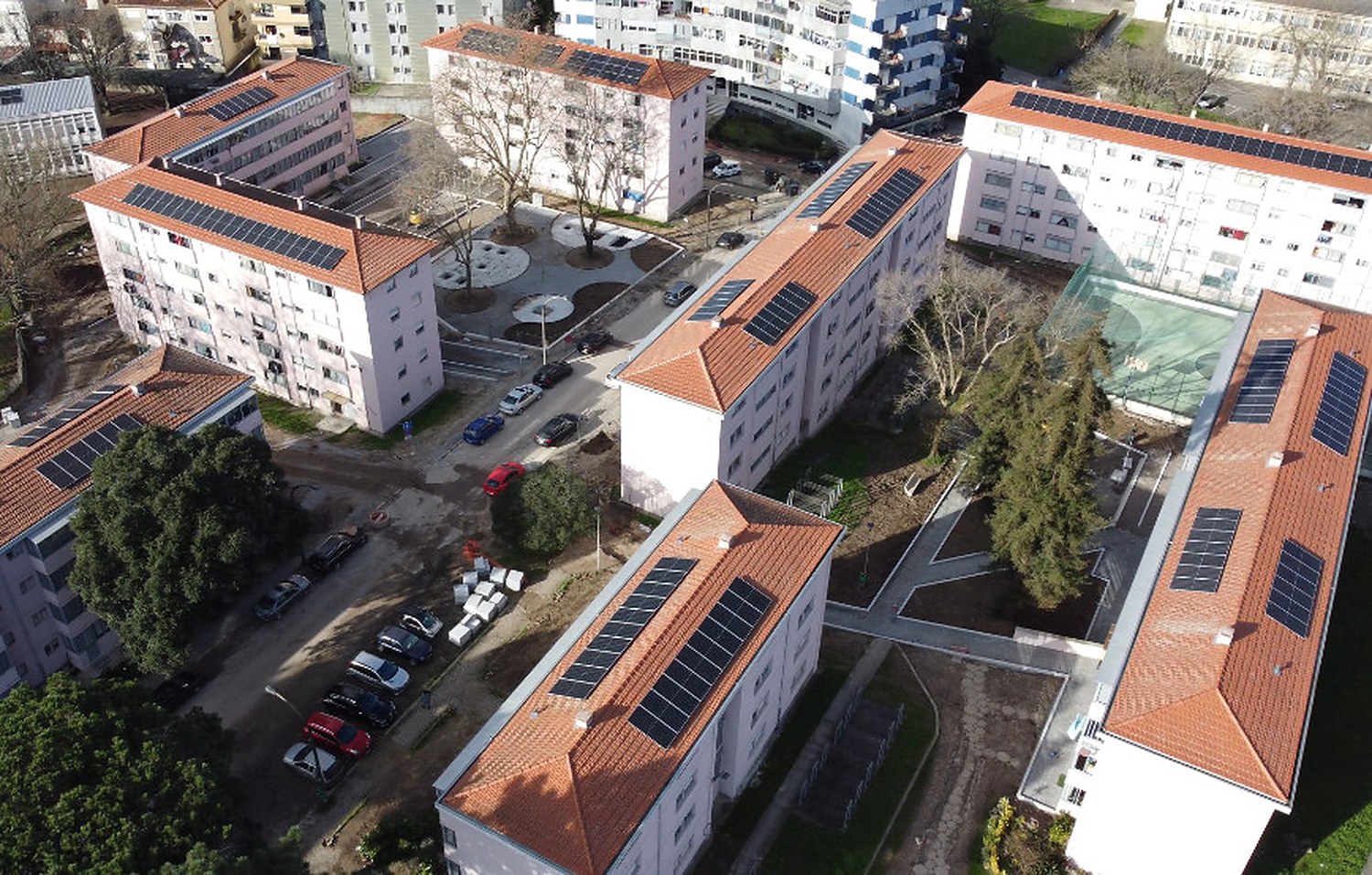
  • 5 photovoltaic parks installed with 4.4 MWp total capacity
  • ~70% reduction in electricity procurement costs
  • 33 vulnerable households receiving free electricity

Objective

The initiative addresses the risk that the energy transition in Crete is dominated by large private investors, leaving citizens behind and increasing inequality. It brings together citizens, municipalities and local actors to jointly develop renewable energy projects and keep control over local energy resources. The community builds and operates solar parks, district heating systems and other clean energy solutions that directly benefit its members. By combining different renewable technologies and collective ownership, it reduces energy costs and strengthens local resilience. What makes it innovative is its strong citizen-led approach, ensuring that energy is produced, managed and shared locally rather than concentrated in a few hands.

Why it matters for a Fair Energy Transition?

It tackles energy poverty by ensuring that vulnerable households can access affordable or free energy. It prioritises groups such as low-income families and households affected by natural disasters, addressing both economic vulnerability and energy insecurity. Benefits include free electricity for vulnerable households and significant reductions in heating and electricity costs. Households facing vulnerabilities can become members, participate in decisions, and have equal voting rights in the energy community. Outreach combines broad communication channels with targeted approaches such as direct phone calls and a dedicated helpdesk to support those most in need.

Results and ambitions

Quantitative

  • 5 photovoltaic parks installed with 4.4 MWp total capacity
  • ~70% reduction in electricity procurement costs
  • 33 vulnerable households receiving free electricity

Qualitative

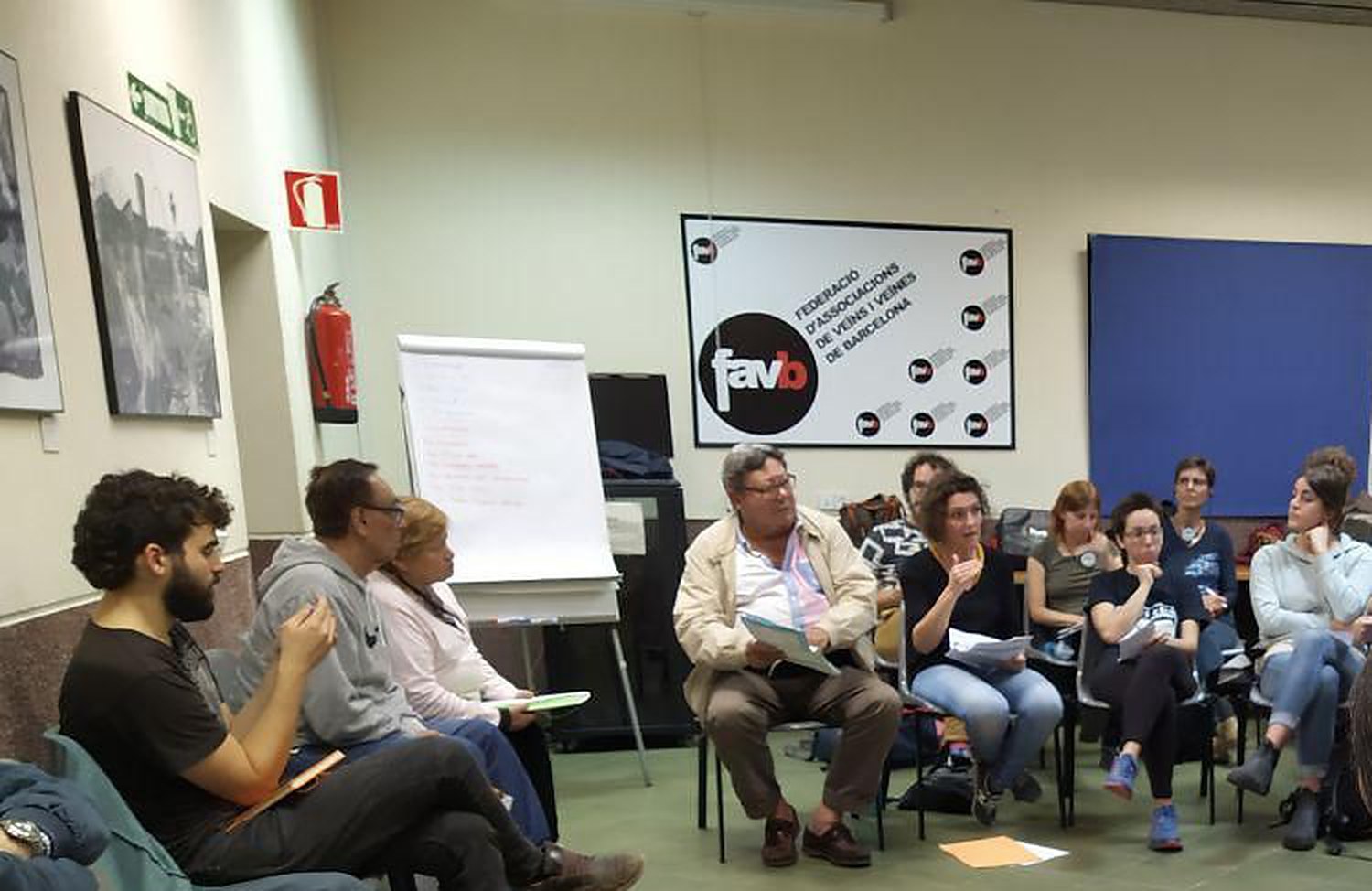
  • Strong citizen participation through one-member-one-vote governance
  • Local energy independence based on renewables
  • Growing community engagement and awareness

Business model

The initiative operates mainly through member participation in renewable energy projects. Members pay a contribution to join projects, which covers installation costs and generates a margin used to finance operation and maintenance over time. This allows the infrastructure to remain sustainable without relying on continuous income from energy sales. Additional funding comes from European and national projects, which currently support staffing and development activities. Support for vulnerable households is financed through a mix of community resources and contributions from public authorities.

For more information

Contact person:

Dimitris Katsaprakakis

E-mail:

dkatsap@hmu.gr

Website:

More initiatives

Looking for a specific document or information?

Whether you are searching for a document, a project update, a webinar recording or more information about FETA, we can help point you in the right direction.