Empowering Otterbeek

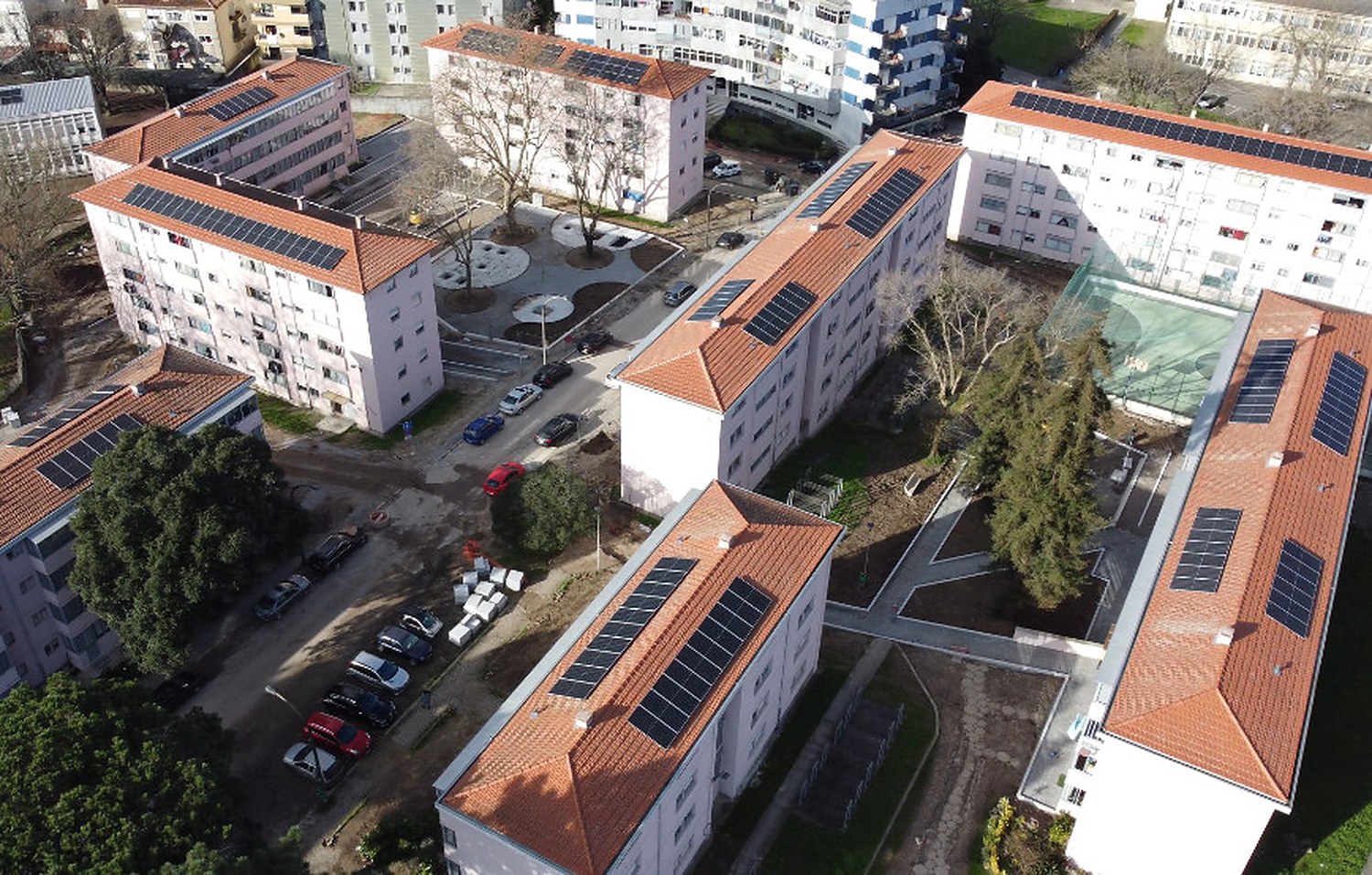
Empowering Otterbeek helps social housing tenants benefit more directly from local solar power. By combining smart plug-in batteries with energy management, it aims to increase self-consumption, lower bills and give residents a more active role in the energy transition.

Location:

Mechelen,

Belgium

Start date:

01/08/2025

Lead organisation:

Klimaan CVSO

Target groups:

Low-income households

Energy transition focus:

Renewable energy & storage

Scale:

Neighbourhood-level
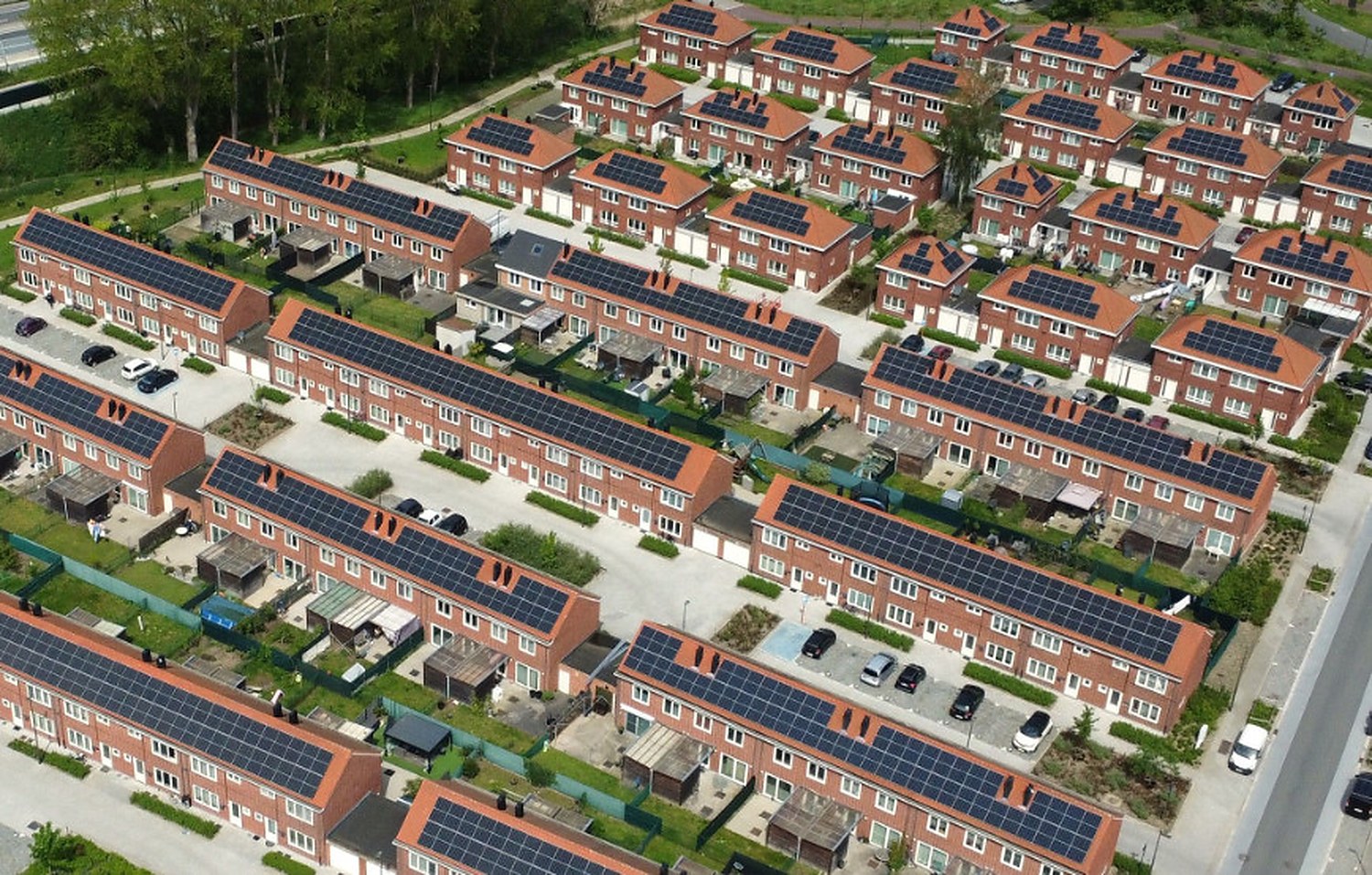
  • 197 social housing households supplied with solar energy and planned to receive batteries
  • €15-€91 average annual savings per household, expected to increase with batteries

Objective

Empowering Otterbeek addresses energy poverty in a social housing neighbourhood where residents already have access to solar panels but cannot fully benefit from them. Today, most of the energy produced is sent back to the grid, forcing households to continue buying expensive electricity. The initiative pilots smart plug-in batteries combined with an energy management system to store surplus solar energy for later use. This allows families to consume more of their own clean energy and reduce their bills. What makes the project innovative is its focus on maximising self-consumption in a simple and replicable way. It builds on an existing citizen-led solar project and turns passive consumers into active energy users.

Why it matters for a Fair Energy Transition?

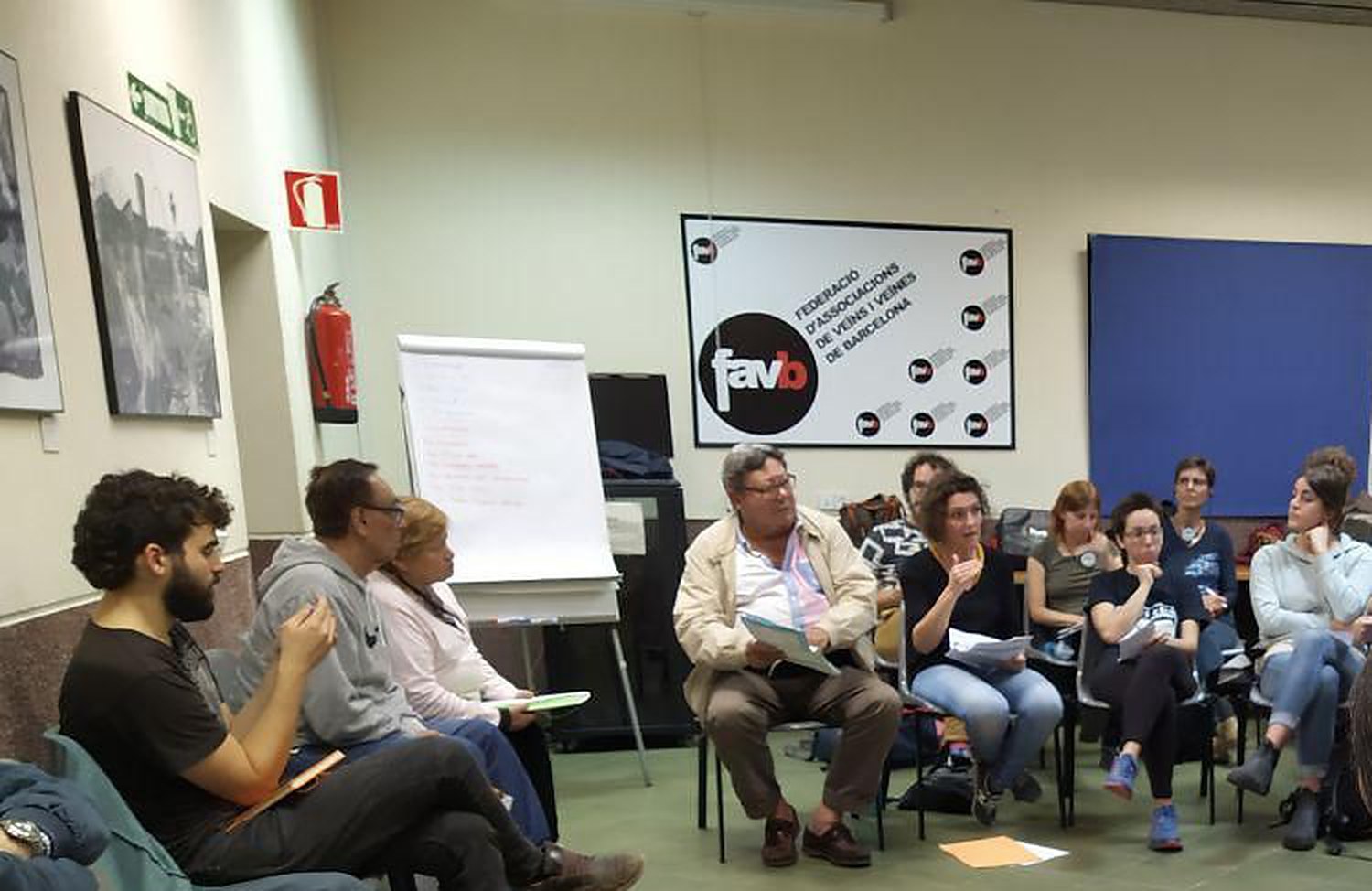
The initiative directly targets vulnerable households facing energy poverty by removing financial barriers and ensuring immediate savings. Residents do not need to invest upfront, and they access electricity at a price below the social tariff. The project is designed around the real needs of tenants, identified through workshops and interviews held in the neighbourhood. Their feedback shapes the solution, and a resident sounding board is being created to ensure ongoing participation. Collaboration with the social housing provider and the city ensures trust and accessibility. By combining affordability, participation, and local partnerships, the initiative ensures that vulnerable groups are not only beneficiaries but active participants in the energy transition.

Results and ambitions

Quantitative

  • 197 social housing households supplied with solar energy and planned to receive batteries
  • €15-€91 average annual savings per household, expected to increase with batteries

Qualitative

  • Increased energy literacy
  • Trust built via partnership with social housing company and city
  • Empowerment of tenants as active energy users

Business model

It is financed through a mix of citizen investment, bank loans, and targeted grants that support initial development and scale-up. Revenue is generated by selling self-consumed solar electricity to tenants at a reduced rate, set below the Belgian social tariff. Additional income comes from electricity fed into the grid. The introduction of batteries is expected to increase self-consumption and therefore strengthen revenue streams. Key costs include installation, maintenance, tenant support services, and system management. Grants currently cover upfront risks and operational complexity, especially during scaling. The long-term objective is to reach a fully self-sustaining model.

For more information

Contact person:

Steven Laurijssen

E-mail:

steven.laurijssen@klimaan.be

Website:

More initiatives

Looking for a specific document or information?

Whether you are searching for a document, a project update, a webinar recording or more information about FETA, we can help point you in the right direction.