ETRE Schools

ETRE Schools opens practical green-career pathways for young people excluded from education, employment or training. Its hands-on model links social inclusion with the skills needed for renovation, energy and mobility jobs.

Location:

France

Start date:

01/10/2017

Lead organisation:

Réseau ETRE

Target groups:

Youth not in education, employment, or training

Energy transition focus:

Capacity building

Scale:

National-level
  • 33 schools across France
  • 1,049 young people trained in 2024
  • 92% achieved employment, training, or civic service within six months

Objective

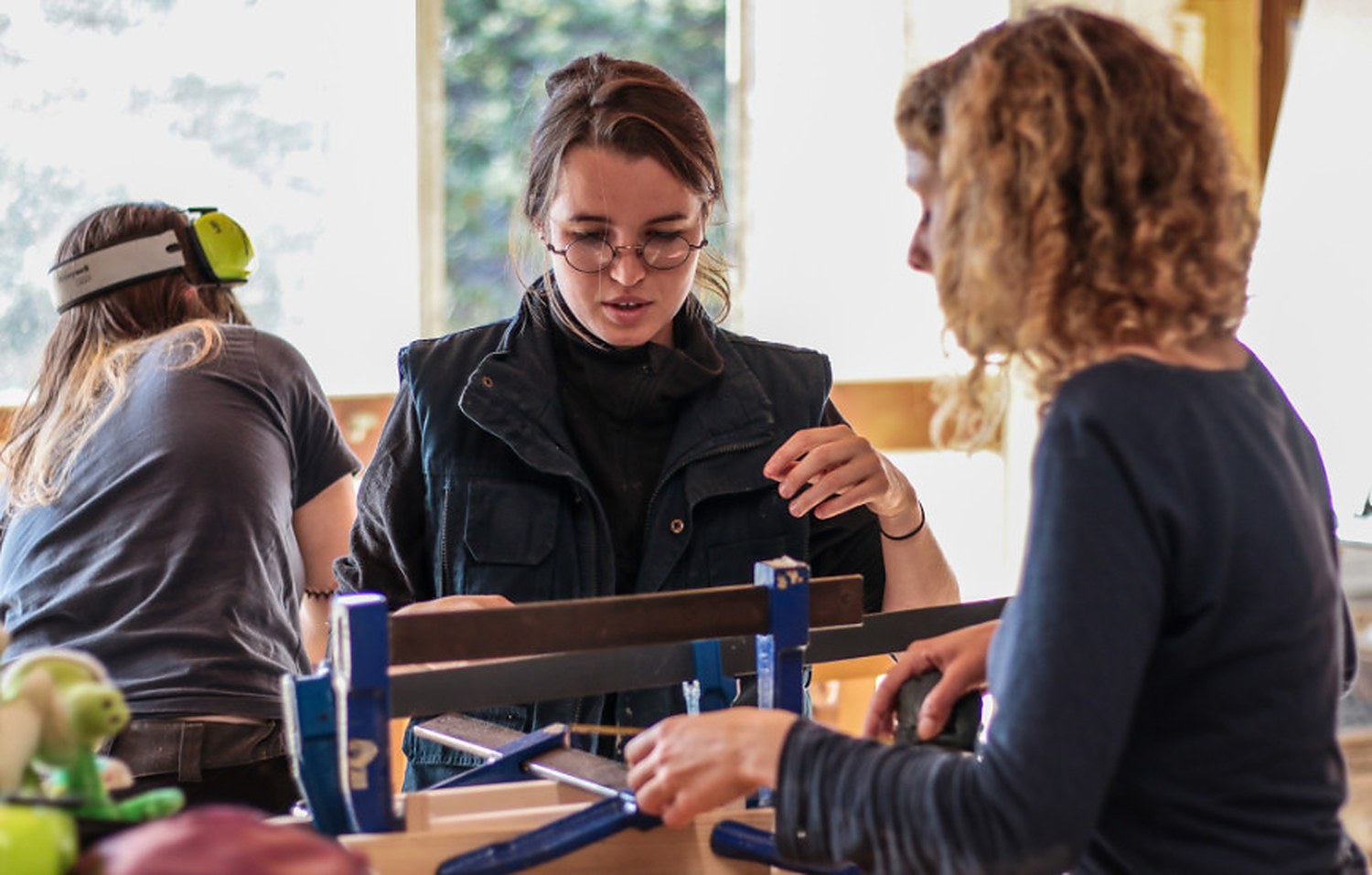
ETRE Schools addresses the exclusion of vulnerable young people from both the labour market and the ecological transition. It provides hands-on training programmes where participants learn practical skills through real projects and immersion with professionals. The initiative helps young people regain confidence, identify career paths, and access jobs in sectors such as energy, renovation, and mobility. What makes it innovative is its learning-by-doing approach combined with strong local partnerships. It connects social inclusion with concrete workforce needs for the green transition, turning untapped potential into skilled talent. The programme currently counts 33 schools across France and is expanding.

Why it matters for a Fair Energy Transition?

The initiative ensures that vulnerable youth are not left behind in the transition by giving them free access to training in green jobs that are often inaccessible. It removes barriers such as cost, mobility, and social challenges by covering transport and meals, and by providing tailored support. Young people actively shape the programme through feedback and governance roles, ensuring it reflects their realities. The initiative works closely with local actors, municipalities, social services and NGOs to reach those most excluded. By empowering youth as future workers in ecological sectors, it addresses both social inequality and the shortage of skilled labour needed for a fair transition.

Results and ambitions

Quantitative

  • 33 schools across France
  • 1,049 young people trained in 2024
  • 92% achieved employment, training, or civic service within six months

Qualitative

  • Increased self-confidence and motivation
  • Clearer career orientation
  • More sustainable behaviours adopted
  • Technical and ecological skills acquired

Business model

It operates as a non-profit model combining public funding, philanthropic contributions, and partnerships with local authorities and employers. Trainings are fully free for participants, with costs such as staff, materials, and coordination covered by these funds. Additional revenue comes from service activities and membership fees, with a strategy to increase this share over time to strengthen financial sustainability. While the model remains partly grant-dependent, diversification efforts aim to ensure long-term stability while keeping access free for vulnerable groups.

For more information

Contact person:

Frédérick Mathis

E-mail:

frederick.mathis@ecole-transition.eu

Website:

More initiatives

Looking for a specific document or information?

Whether you are searching for a document, a project update, a webinar recording or more information about FETA, we can help point you in the right direction.