Citizen School for the Right to Energy

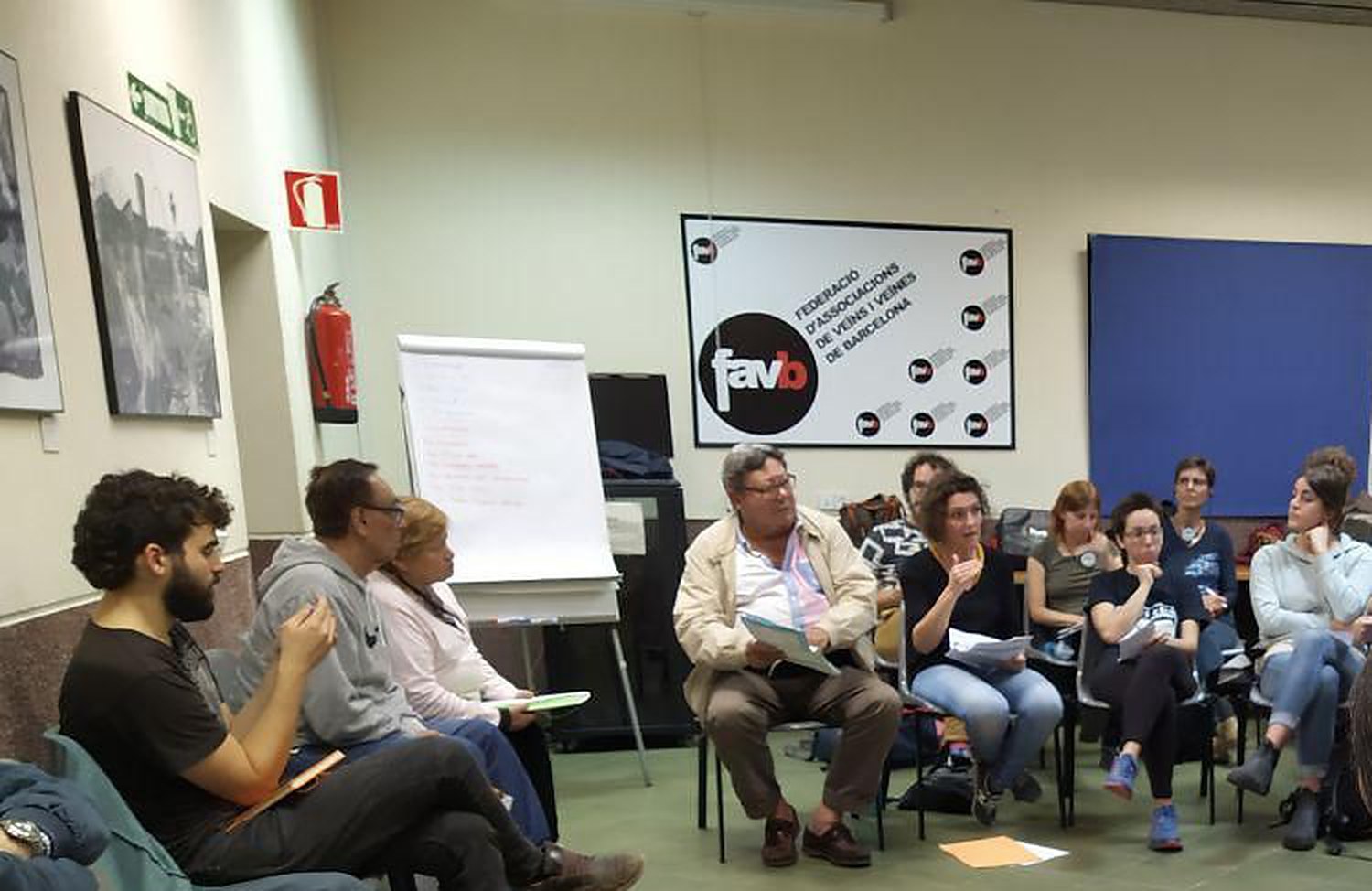
The Citizen School for the Right to Energy reframes energy poverty as a collective challenge. Through group sessions, home visits and peer learning, it helps vulnerable households understand their rights, build confidence and strengthen local energy resilience.

Location:

València,

Spain

Start date:

01/02/2023

Lead organisation:

València Sostenible

Target groups:

Low-income households

Energy transition focus:

Energy literacy, Energy poverty alleviation

Scale:

City-level

  • 100 households supported annually through advisory services
  • 40 vulnerable households engaged in the school
  • 13.5 hours of group training per participant

Objective

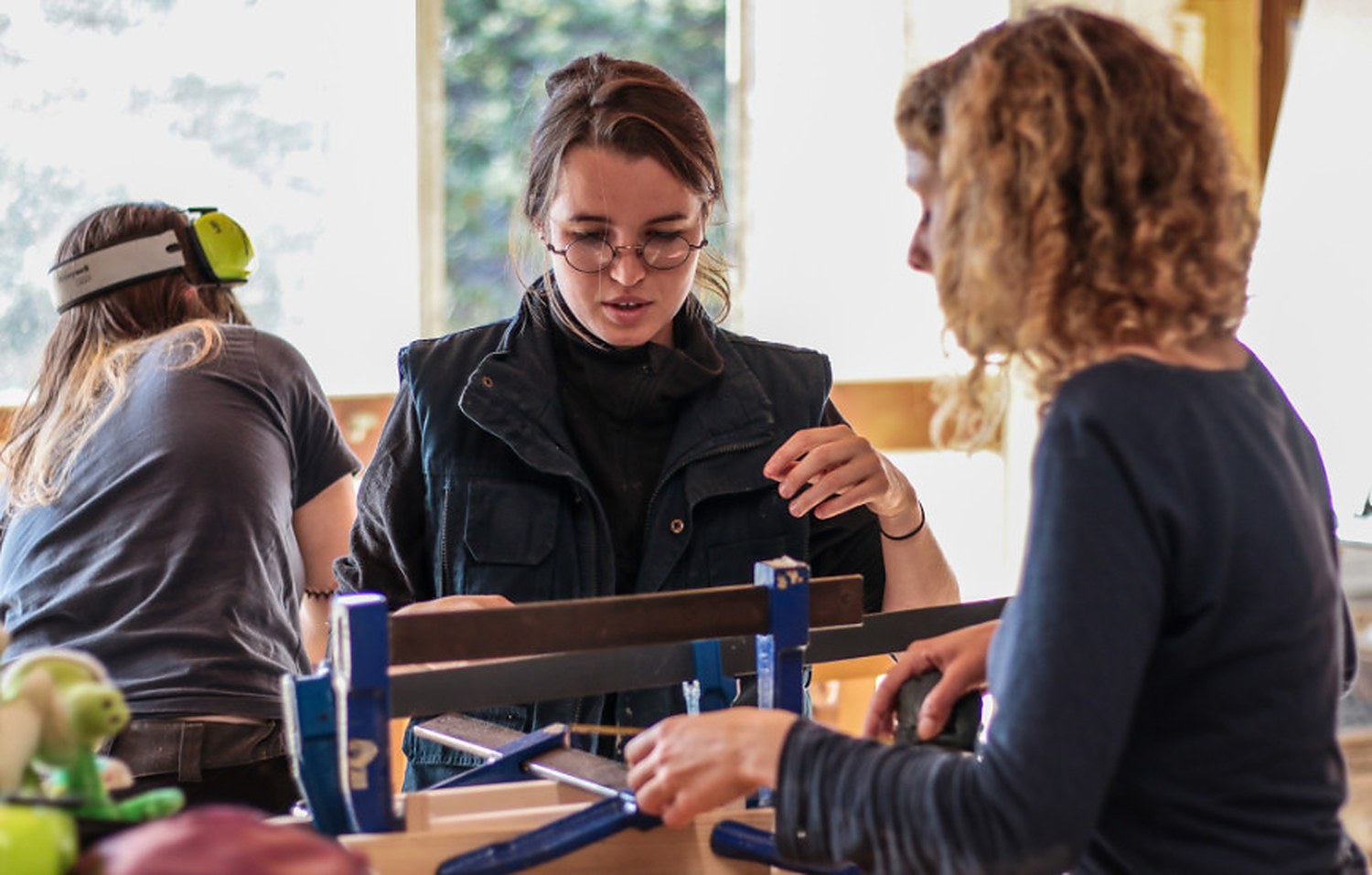
The Citizen School for the Right to Energy addresses energy poverty by shifting from individual support to a collective, community-based approach. It combines expert advice and home visits with regular group sessions where participants learn together and share experiences. The initiative creates local spaces for dialogue, helping people understand their energy use and rights. Participants co-design the sessions, ensuring relevance to their real needs. By building trust and peer learning, it strengthens social ties and community resilience. The project reframes energy poverty as a shared challenge that requires collective solutions.

Why it matters for a Fair Energy Transition?

The initiative focuses on people facing barriers such as low income, language challenges, or social isolation. It removes these barriers by offering free participation, local sessions, childcare, and accessible formats. Vulnerable groups are directly involved in shaping the content and activities. Trusted community leaders and NGOs help reach and engage participants. The project builds confidence, reduces energy-related stress, and improves understanding of energy rights. By strengthening collective capacity and social networks, it supports long-term inclusion and empowerment. It combines social justice, participation, and access to affordable energy.

Results and ambitions

Quantitative

  • 100 households supported annually through advisory services
  • 40 vulnerable households engaged in the school
  • 13.5 hours of group training per participant

Qualitative

  • Improved understanding of energy bills and rights
  • Stronger community ties
  • Higher awareness of energy use
  • Emergence of energy ambassadors

Business model

The work is mainly funded through public sources, including municipal budgets, European projects, and regional grants. Additional support comes from occasional contributions such as donations. The main costs are staff time for facilitation and home visits, as well as materials like energy efficiency kits and group activities. Participation is free, ensuring accessibility. The model is evolving towards a train-the-trainer approach to reduce costs and enable replication. Future funding aims to diversify through partnerships with foundations and cooperative banks. Integration into municipal services and links with energy community projects could support financial sustainability in the future.

For more information

Contact person:

Victoria Pellicer Sifres

E-mail:

victoria.pellicer@valenciasostenible.com

Website:

More initiatives

Looking for a specific document or information?

Whether you are searching for a document, a project update, a webinar recording or more information about FETA, we can help point you in the right direction.